

Reducing food waste at home is not only good for your wallet but also beneficial for the environment. Millions of tons of food end up in landfills each year, contributing to greenhouse gas emissions. By adopting mindful habits, you can lower your food waste and make a positive impact. Here are practical tips and ideas to help you reduce food waste in your daily life.
Understanding Food Waste
Food waste happens when edible food is discarded or lost. This can occur during shopping, storage, meal preparation, or even after serving. Common reasons include buying too much, improper storage, and confusion over expiration dates.
Taking simple steps to prevent these can make a big difference.
Plan Your Meals
One of the best ways to reduce food waste is by planning your meals ahead.
Create a Weekly Meal Plan
– Write down the meals you want to prepare for the week.
– Check your pantry and fridge to see what you already have.
– Make a shopping list based on your plan, focusing on the exact amounts needed.
Shop Smart
– Avoid shopping when hungry to prevent impulse buys.
– Stick to your shopping list to only purchase necessary items.
– Buy loose fruits and vegetables so you can control quantities better.
Store Food Properly
Proper storage extends the life of your food and keeps it fresh longer.
Use the Right Containers
– Store leftovers in airtight containers.
– Use clear containers so you can easily see what’s inside.
Understand Storage Guidelines
– Keep fruits and vegetables in appropriate humidity settings in your fridge.
– Store bread in a cool, dry place or freeze it to prevent mold.
– Separate ethylene-producing fruits, like apples and bananas, from those sensitive to it, such as lettuce.
Get Creative with Leftovers
Leftovers are a valuable resource, not just extra food.
Repurpose Leftovers
– Transform cooked vegetables into soups or stir-fries.
– Use stale bread for breadcrumbs or croutons.
– Combine small amounts of different leftovers into a casserole or wrap.
Freeze for Later
– Freeze portions of cooked meals to enjoy on busy days.
– Label and date frozen items to track freshness.
Use Food Scraps Wisely
Not all food scraps need to end up in the trash.
Composting
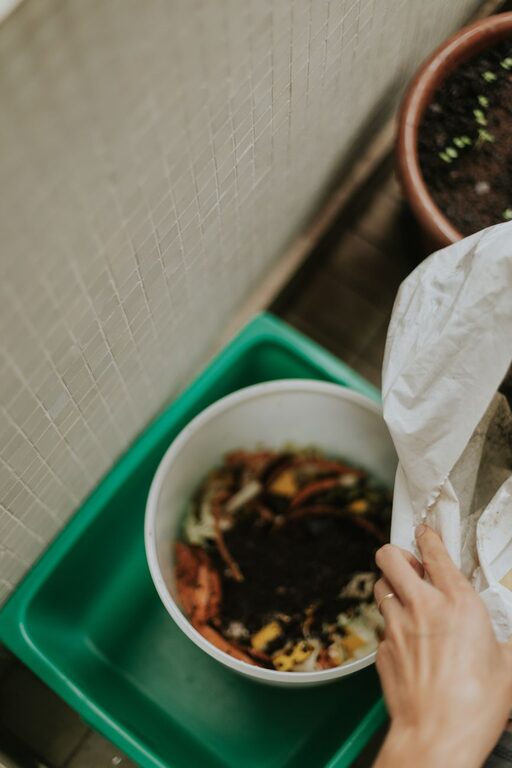
– Start a compost bin or pile to recycle fruit and vegetable peels, coffee grounds, and eggshells.
– Compost enriches garden soil and reduces landfill waste.
Creative Uses
– Vegetable peels can flavor stocks and broths.
– Citrus peels can be zested for baking or used as natural cleaners.
Understand Expiration Dates
Sometimes food is tossed unnecessarily because of confusion about dates.
"Best By" vs. "Use By"
– “Best By” dates indicate quality, not safety. Food can often be eaten beyond this date.
– “Use By” dates are about food safety and should be followed more closely.
Use Your Senses
– Smell and look at food before discarding.
– Trust your judgment to avoid premature waste.
Practice Portion Control
Serving smaller portions can reduce uneaten food on plates.
– Start with smaller amounts and allow seconds if still hungry.
– Encourage family members, especially children, to take what they will eat.
Donate Excess Food
If you have non-perishable food items you won’t use, consider donating them to local food banks or shelters.
– Check the guidelines of donation centers before contributing.
– Share extra fresh produce from your garden with neighbors or community programs.
Educate Your Household
Reducing food waste is easier when everyone in the home takes part.
– Communicate about meal plans and waste reduction goals.
– Teach children about the value of food and the impact of waste.
– Make waste reduction a shared priority.
Benefits of Reducing Food Waste
– Saves money by getting the most out of your groceries.
– Reduces environmental impact, including lowered methane emissions.
– Encourages healthier eating habits by focusing on fresh, planned meals.
– Supports community efforts through donations.
—
By making these small but consistent changes in your kitchen habits, you can significantly cut down on food waste. Start with one or two tips and gradually build your way toward a more sustainable and mindful approach to food. Not only will you enjoy fresher meals, but you’ll also contribute positively to the planet.