

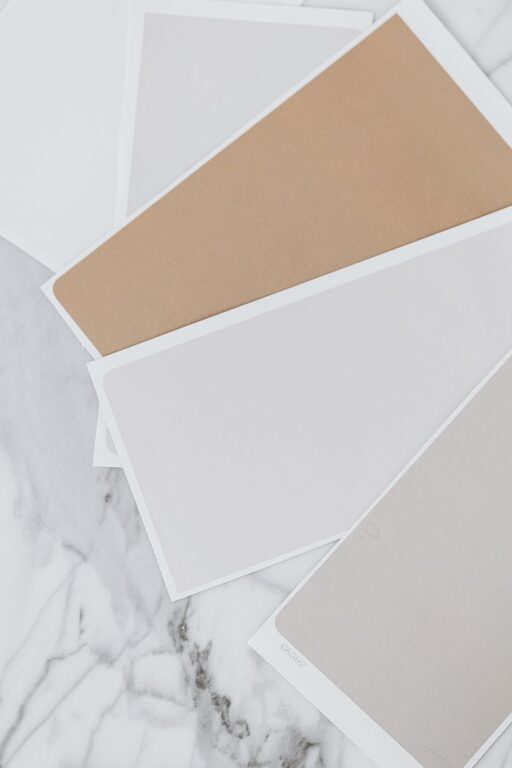
Creating a peaceful and inviting atmosphere in your home often starts with the colors you choose. Calm colors can help reduce stress, enhance relaxation, and make your living spaces feel more welcoming. If you’re planning to refresh your home’s look or designing a new space, understanding how to pick calm colors is essential. This guide offers practical tips to help you select the perfect hues for your home.
Why Choose Calm Colors?
Calm colors are typically soft, muted shades that evoke a sense of serenity. They can make rooms feel larger, brighter, and more soothing to the senses. Using calm colors can help establish a restful environment, ideal for unwinding after a busy day.
Understanding the Basics of Calm Colors
Before diving into specific tips, it’s helpful to know what qualifies as calm colors:
– Neutrals: Whites, beiges, soft grays, and taupes offer subtle sophistication.
– Soft blues: Blue hues often remind us of the sky or water, promoting tranquility.
– Gentle greens: Inspired by nature, these colors are restful for the eyes.
– Pastels: Light pinks, lilacs, and pale yellows can add gentle warmth.
Tips for Choosing Calm Colors for Your Home
1. Consider the Mood You Want to Set
Every room serves a different purpose, so consider the mood you want to create:
– Bedroom: Soft blues, greens, or lavenders help encourage relaxation and better sleep.
– Living Room: Warm neutrals and muted earth tones provide a cozy yet calm backdrop.
– Bathroom: Crisp whites or light aquas can create a spa-like atmosphere.
– Home Office: Subtle shades of blue or green support focus and calmness.
2. Test Colors in Natural and Artificial Light
Colors can look very different depending on lighting:
– Natural light: Observe how the color changes throughout the day by testing samples near windows.
– Artificial light: Check how your chosen hues look under your lamps and overhead lights. Warmer bulbs may make colors appear softer, while cooler bulbs can make them seem sharper.
Paint samples on large poster boards and move them around to various spots in the room for the best idea.
3. Use a Color Palette with a Balance of Shades
Choose a palette with different shades of calm colors to add depth without overwhelming the space:
– Combine lighter and darker versions of the same color.
– Use accent colors sparingly to maintain a peaceful look.
– Incorporate natural textures like wood or fabric to complement the palette.
4. Keep Finish Types in Mind
The finish of paint impacts the overall feel:
– Matte or eggshell: These finishes absorb light and reduce shine, enhancing calmness.
– Satin or semi-gloss: Slightly more reflective and easier to clean but can feel less cozy.
For calm spaces, matte or eggshell finishes usually work best.
5. Avoid Overly Bright or Saturated Colors
Highly saturated or neon colors can be stimulating rather than calming. If you love bright colors, consider using them as small accents rather than the main color.
6. Take Inspiration from Nature
Natural environments are inherently calming. Look to beaches, forests, and meadows for color ideas. Soft sand, sky blue, gentle greens, and earthy browns can help create a balanced and serene space.
7. Coordinate with Existing Furniture and Decor
Ensure the calm colors you choose complement your furniture, artwork, and textiles. Harmonizing colors throughout the room strengthens the tranquil vibe.
8. Use Calm Colors on Walls, Then Layer with Textures
Once you pick your tranquil wall colors, bring the space to life with textured pillows, rugs, curtains, and throws in matching shades. This layering adds interest without disrupting the calm atmosphere.
Common Calm Colors and Their Effects
| Color | Psychological Effect | Ideal Room Uses |
|————-|————————————–|—————————-|
| Soft Blue | Calming, promotes peace | Bedroom, bathroom, office |
| Pale Green | Refreshing, restful to the eyes | Living room, bedroom |
| Light Gray | Neutral, modern, soothing | Any room, especially living and bedrooms |
| Warm Beige | Cozy, inviting | Living areas, entryways |
| Lavender | Gentle, uplift mood | Bedrooms, meditation spaces|
Final Thoughts
Choosing calm colors for your home doesn’t have to be complicated. Focus on creating a balance of soft hues, test samples in different lighting, and coordinate with your furnishings. With thoughtful choices, your home can become a haven of peace and comfort.
Remember, the most important thing is that the colors you select make you feel relaxed and happy. Take your time, and enjoy the process of crafting a calm, welcoming space that reflects your personal style.